Understanding the Whirlpool Water Inlet Valve W10247725
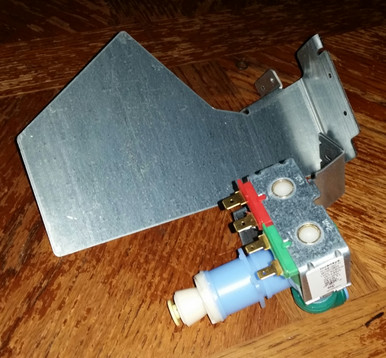
Understanding the Whirlpool Water Inlet Valve W10247725
The Whirlpool water inlet valve W10247725 is a critical component of many household appliances, particularly dishwashers and washing machines. This valve regulates the flow of water into the appliance, ensuring it receives the correct amount required for various cycles. If you’re facing issues with your appliance not filling properly, it could very well be due to a malfunction of the W10247725 valve.
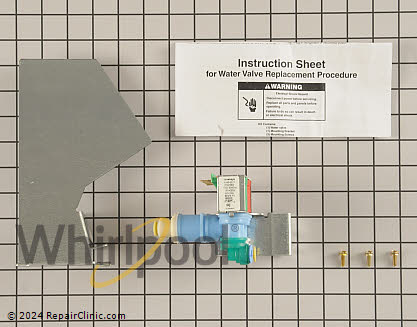
Function of the Water Inlet Valve
The primary role of the water inlet valve is to control the water supply into your appliance. When you start your machine, the control board sends a signal to the valve, which then opens to allow water to flow into the tub or dishwasher. The valve is usually solenoid-operated, requiring an electrical signal to open. That’s why any disruptions in electrical supply or mechanical failure can lead to significant issues.
Signs of a Failing Water Inlet Valve
Understanding the signs of a failing water inlet valve can save you from extensive repairs or a complete appliance breakdown. Here are some common indicators:
- No Water Supply: If your washing machine or dishwasher isn’t filling up with water during cycles, the inlet valve might be stuck closed.
- Leaking Water: A defective valve can cause leaks, leading to water pooling on the floor around the appliance.
- Inconsistent Water Flow: If the water flow is weak or uneven, this may indicate that the valve is partially blocked or malfunctioning.
- Strangely Noisy Operation: An inlet valve that is struggling to open or close may produce unusual sounds during operation.
<

h2>How to Test the Water Inlet Valve
If you suspect that the water inlet valve W10247725 is the source of the problem, testing is relatively straightforward. You can perform the following checks:
- Unplug the Appliance: For safety, make sure to disconnect power to your appliance before beginning any repairs.
- Access the Valve: Remove the back panel of the appliance (if applicable) to reach the inlet valve located usually at the back or the side of the unit.
- Visual Inspection: Check for any visible signs of damage or corrosion. Look for any cracks, breaks, or blockages in the valve.
- Electrical Testing: Using a multimeter, check the valve’s continuity. If the multimeter reads infinite resistance, the valve is faulty and needs replacement.
How to Replace the Water Inlet Valve W10247725
Replacing the water inlet valve is a manageable task for those comfortable with basic DIY repairs. Here’s a step-by-step guide:
- Gather Tools: You’ll need a few tools – a screwdriver, pliers, and possibly a wrench.
- Disconnect Water Supply: Turn off the water supply to the appliance to avoid any spills.
- Remove the Old Valve: Unscrew the screws holding the valve in place, and carefully disconnect the water supply hoses. Make sure to note the placement for reassembly.
- Install the New Valve: Position the new W10247725 valve and reconnect the water hoses securely. Ensure they’re fitted tightly to avoid leaks.
- Reconnect Electrical Connections: Attach any electrical connectors and double-check your work.
- Test the Appliance: Once everything is back in place, reconnect the water supply and power. Run a cycle to see if the issue is resolved.
Maintenance Tips
To prolong the life of your water inlet valve and avoid future issues, consider these maintenance tips:
- Regular Cleaning: Ensure that the screen filter on the inlet valve is cleaned regularly to prevent clogs.
- Inspect Hoses: Regularly check the hoses for signs of wear or damage, as they can cause leaks.
- Monitor Performance: Keep an eye on how your appliance performs, spotting issues early can save trouble later.
Conclusion
The Whirlpool water inlet valve W10247725 is an essential part of your appliance’s functionality. Its failure can lead to significant issues, but with the right knowledge, you can easily diagnose problems and perform a replacement. Regular maintenance and timely inspections can help prevent most problems, ensuring that your appliance continues to operate efficiently for years to come.